

Signaling of obstacles and hazards is one of the topics in the General rules block of the Spanish DGT theory. Defines who the traffic rules apply to and where, the basic definitions and the principles behind the whole theory. Understanding this section well helps you answer the theory-exam questions on this topic with confidence.
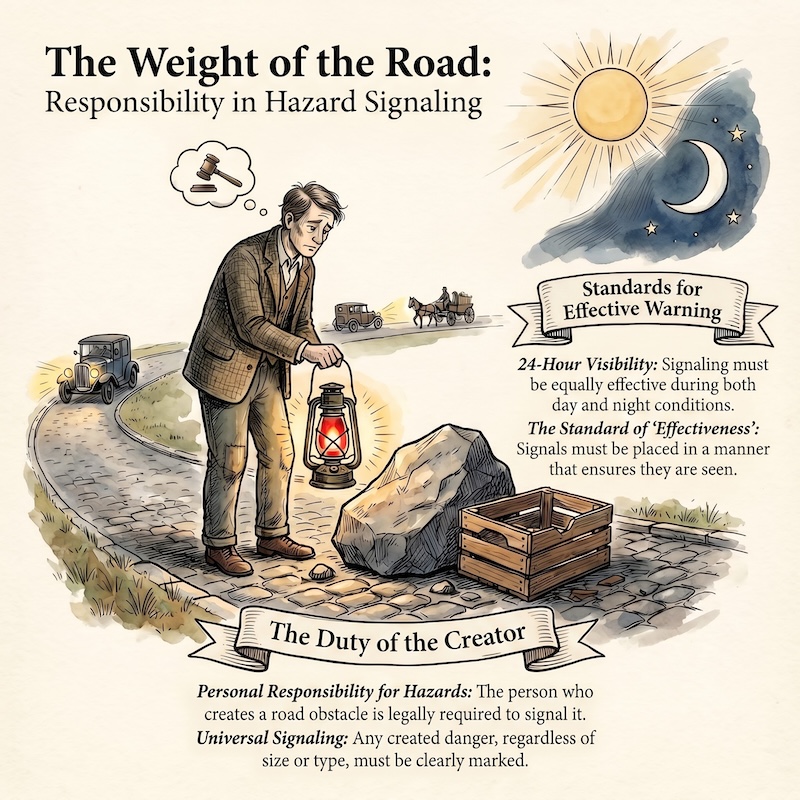
In simple terms, this point of the DGT theory establishes that in order to warn of the presence of any obstacle or danger on the road, the person causing it must effectively signal it, both day and night.
The exam often asks where and to whom these rules apply; read the options carefully, as they frequently change a single word.
In order to warn of the presence of any obstacle or danger on the road, the person causing it must effectively signal it, both day and night.
🔗 Read the official text on the BOE (Spanish General Traffic Regulations)❓ Frequently asked questions
What is signaling of obstacles and hazards?
Does this topic appear in the DGT theory exam?
Where is it regulated (Article 5 (3))?
🚦 Practise with DGT tests
Already studied the theory? Test yourself with official exam-style questions.
📝 Start with TraficoTest