

The signs in the «Vehicle signs: purpose, meaning, and types» group belong to the IX. Signs on vehicles block of the Spanish DGT theory. It is a sign placed on the vehicle itself to identify it or warn of a circumstance.
On this page you have the complete catalogue of these signs with their image, official code and meaning, exactly as they may appear in the driving-licence theory exam.
💡 In the exam you will be shown the image of the sign and must recognise its meaning: look at the shape and colour to work out which group it belongs to.
 V-1
V-1
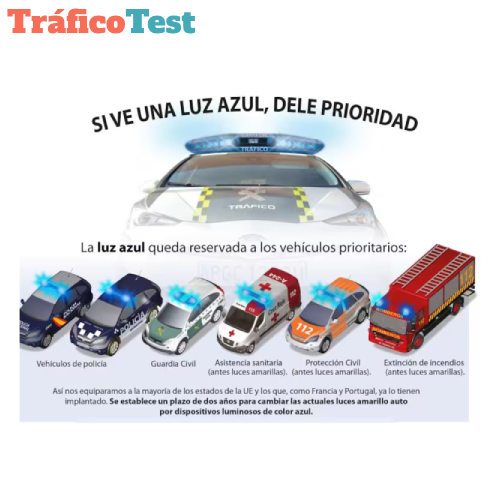
Priority vehicle
Indicates that the vehicle is a police, firefighting, civil protection and rescue vehicle or a health care vehicle, on urgent service, if used simultaneously with the special acoustic signal emitting device, as referred to in the regulations governing vehicles.
Article 173 (2)
 V-2
V-2
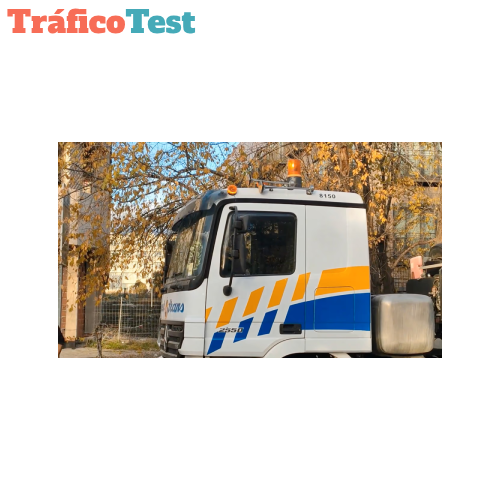
Vehicles for works or services, agricultural tractors, self-propelled agricultural machine
ry, other special vehicles, special transports and military columns. Indicates that the vehicle is of this class, in service, or a special transport or military column.
Article 173 (2)
 V-3
V-3
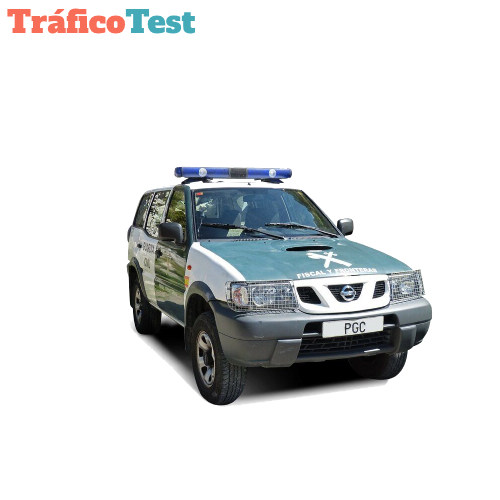
Police vehicle
Indicates a vehicle of this class in non-urgent service.
Article 173 (2)
 V-4
V-4
Speed limit
Indicates that the vehicle must not travel at a speed greater than the figure shown on the sign, in kilometres per hour.
Article 173 (2)
 V-5
V-5
Slow-moving vehicle
Indicates that it is a motor vehicle, or combination of vehicles, which, by construction, cannot exceed the speed of 40 kilometers per hour.
Article 173 (2)
 V-6
V-6
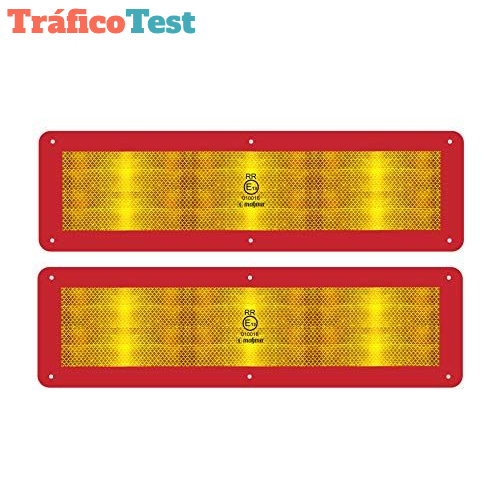
Long vehicle
Indicates that the vehicle or set of vehicles is longer than 12 metres.
Article 173 (2)
 V-7
V-7
Spanish nationality badge
Indicates that the vehicle is registered in Spain.
Article 173 (2)
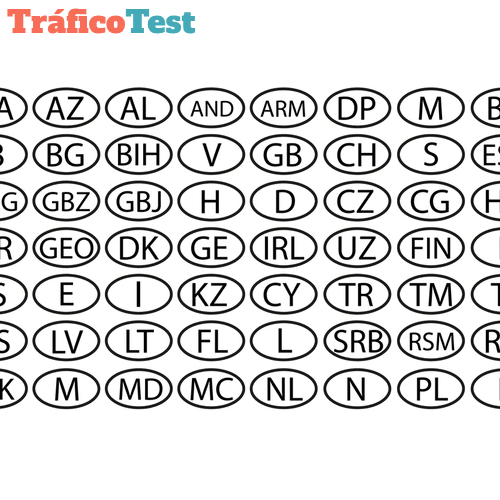 V-8
V-8
Foreign nationality badge
Indicates that the vehicle is registered in the country to which the initials it contains correspond, and that its installation is mandatory for driving in Spain.
Article 173 (2)
 V-9
V-9
Public service
Indicates that the vehicle is dedicated to providing public services. The use of this sign will only be required when so provided by the regulations governing the public service in question.
Article 173 (2)
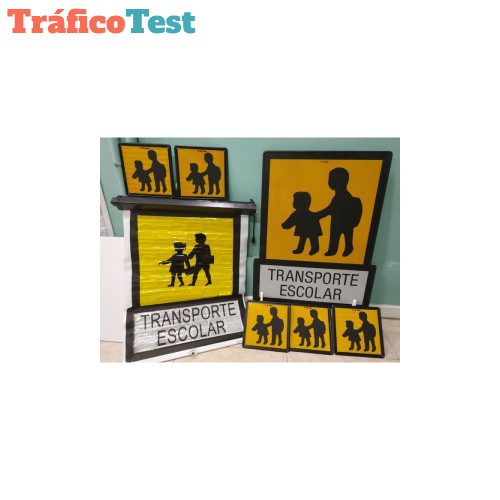 V-10
V-10
School transport
Indicates that the vehicle is performing this type of transport.
Article 173 (2)
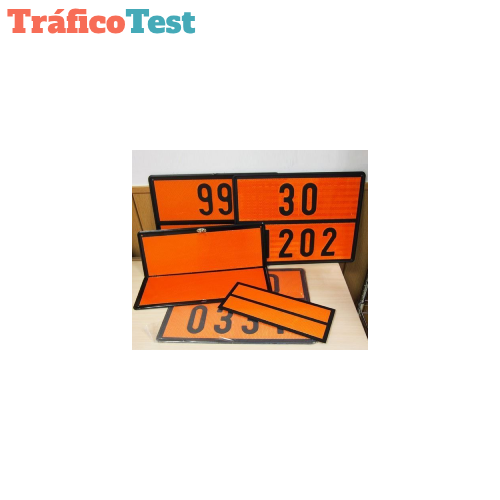 V-11
V-11
Transport of dangerous goods
Indicates that the vehicle is transporting dangerous goods.
Article 173 (2)
 V-12
V-12
Test or research plate
Indicates that the vehicle is undergoing special tests or research trials.
Article 173 (2)
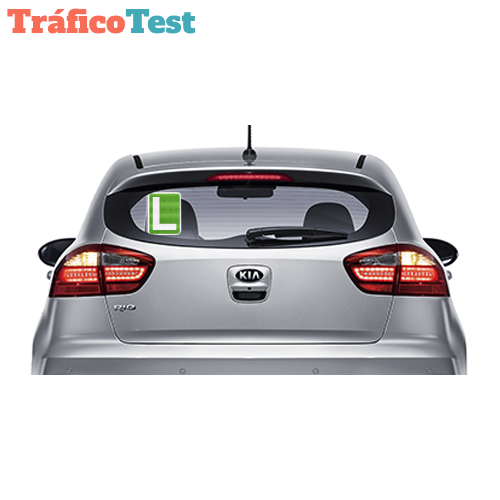 V-13
V-13
New driver
Indicates that the vehicle is driven by a person whose driving license is less than one year old.
Article 173 (2)
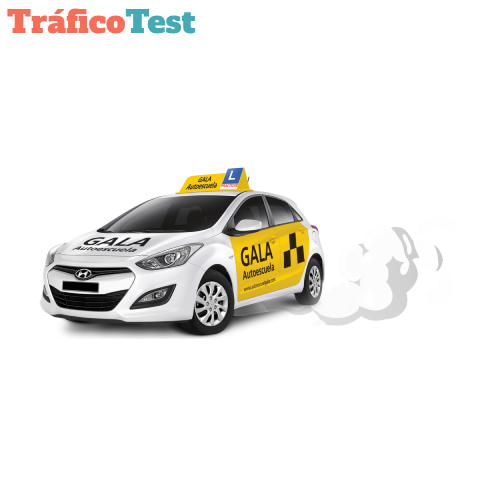 V-14
V-14
Driving learning
Indicates that the vehicle is driving based on driving learning or aptitude tests.
Article 173 (2)
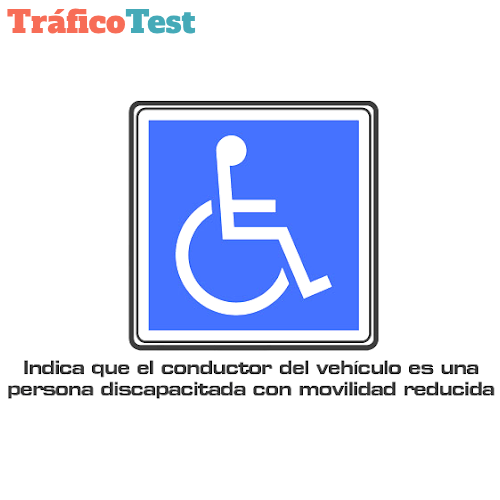 V-15
V-15
Disabled
Indicates that the driver of the vehicle is a person with disabilities that reduce his mobility and, therefore, can benefit from the facilities granted to him on a general or specific basis.
Article 173 (2)
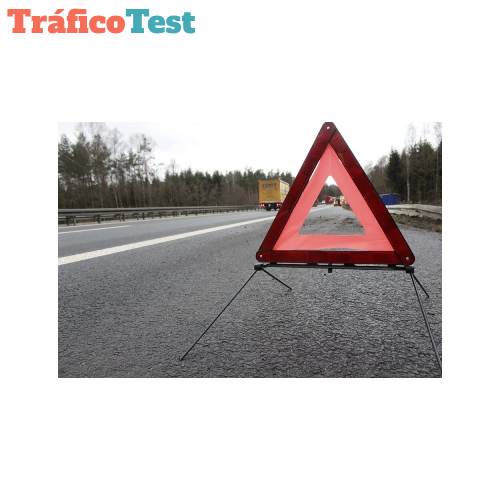 V-16
V-16
Danger pre-signaling device
Indicates that the vehicle has become immobilized on the road or that its load has fallen onto it.
Article 173 (2)
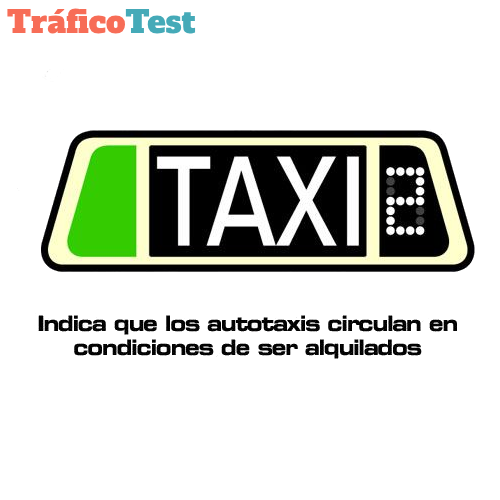 V-17
V-17
Free indicator lighting
Indicates that taxis are circulating in conditions to be rented.
Article 173 (2)
 V-18
V-18
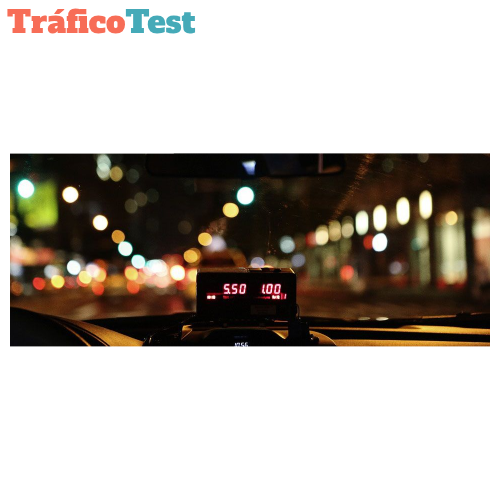
Taximeter lighting
In public passenger cars, this is intended to illuminate the taximeter counter as soon as the flag is lowered.
Article 173 (2)
 V-19
V-19
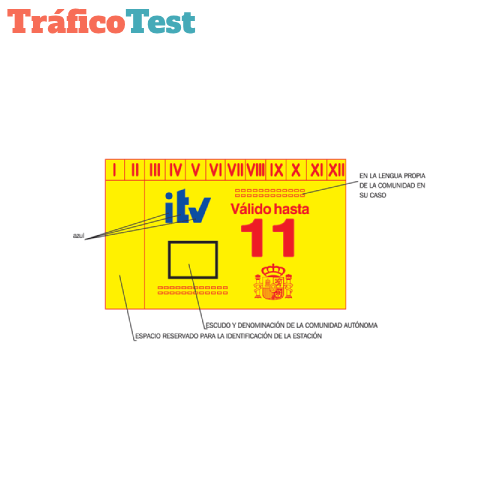
Periodic vehicle inspection badge
Indicates that the vehicle has successfully passed the periodic technical inspection, as well as the date on which the next inspection must be carried out.
Article 173 (2)
 V-20
V-20
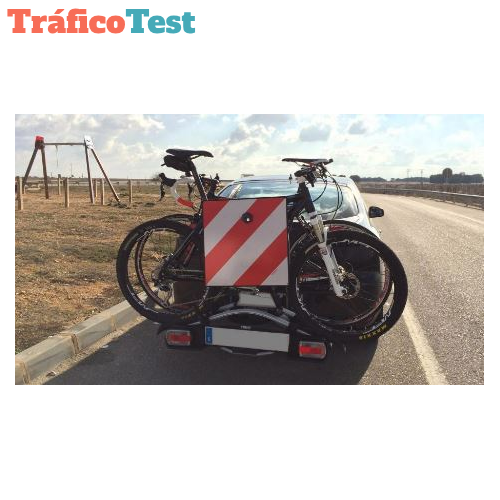
Panel for protruding loads
Indicates that the vehicle load protrudes to the rear.
Article 173 (2)
 V-21
V-21
Special transport accompanying sign
Indicates the imminent circulation of a special transport.
Article 173 (2)
 V-22
V-22
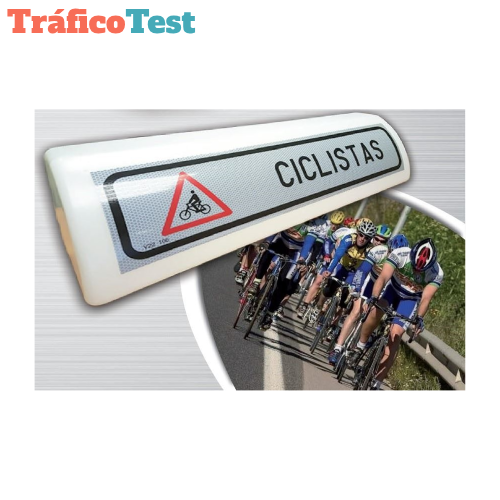
Sign warning of accompanying cyclists
Indicates the imminent circulation of cyclists.
Article 173 (2)
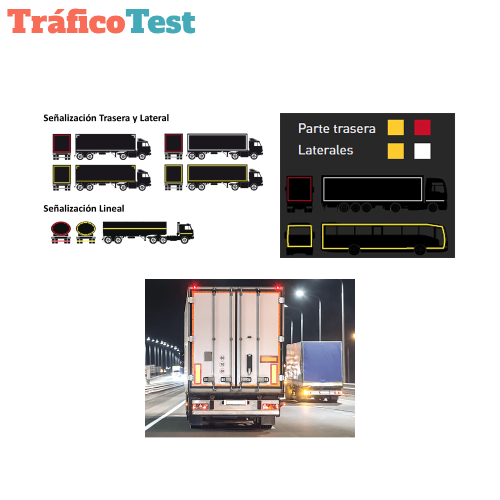 V-23
V-23
Freight transport vehicle badge
This designates a vehicle of this class. It shall consist of reflective markings used to increase the visibility and recognition of trucks and long, heavy vehicles and their trailers. The badge for transport vehicles must comply with the provisions for this sign in Annex XI of the General Vehicle Regulations.
Article 173 (2)
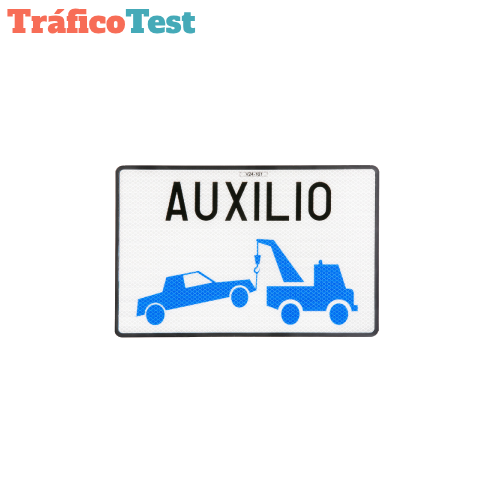 V-24
V-24
Roadside assistance towing service
When used, it indicates a roadside assistance towing service.
Article 173 (2)
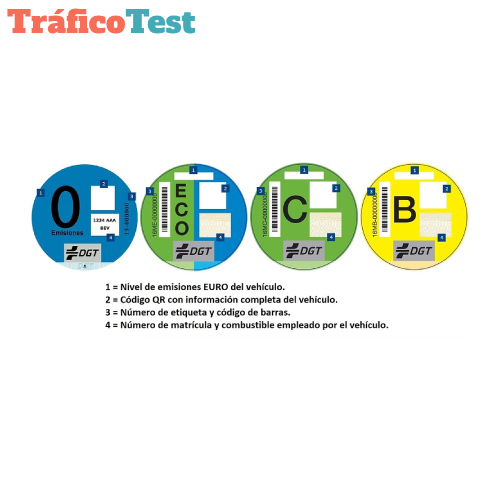 V-25
V-25
Environmental sticker
Vehicles are classified by their pollution levels and must have a sticker on their vehicle to demonstrate this.
Article 173 (2)
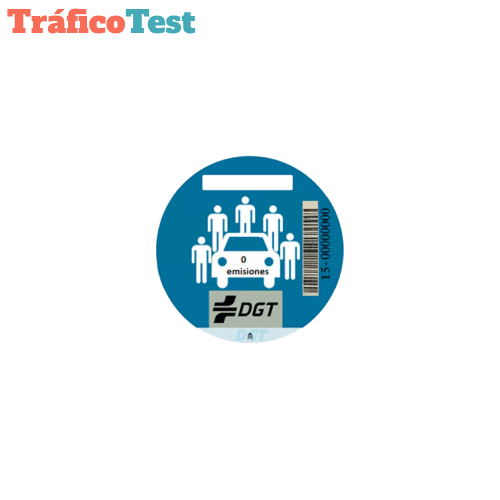 V-26
V-26
Shared use badge
Identifies the vehicle as shared.
Article 173 (2)
❓ Frequently asked questions
What are «Vehicle signs: purpose, meaning, and types» signs?
How many signs does this group include?
Do these signs appear in the DGT theory exam?
🚦 Practise with DGT tests
Already recognise these signs? Test yourself with official exam-style questions.
📝 Start with TraficoTest